Destinations

Škocjan Caves

National Parks

Škocjan Caves (Slovene Škocjanske jame) is a system of limestone caves in the Kras (Karst) region in SW Slovenia, containing collapsed dolines, about 5 kilometres of underground passages, caves more than 200 metres deep and many waterfalls. This is one of the most famous sites in the world for the study of karstic (limestone) phenomena. Since 1986, Škocjan Caves are on the UNESCO list of World Heritage Sites.

Read more: Škocjan Caves


Bled

Towns

A fairytale castle high on a bluff, with a crystal clear lake underneath, snow capped alps in the background: Bled has all the ingredients for becoming a major tourist spot. Located in the Julian alps, a bus ride of about an hour takes you from Ljubljana to this mountain resort.

The main sights in the area are the Bled castle which has a pricey restaurant and a mediocre museum but the best views imaginable of the lake and the island with the Church of Sv Marika Bozja on it. The island can be visited by gondola, or by canoe from the Park Hotel. It is approximately 3 miles around the lake, which makes it a nice after dinner stroll.

Read more: Bled


Ljubljana

Towns

Ljubljana is the capital of Slovenia. It's also the biggest city in the country and the political, cultural and commercial centre. With a population of around 300,000 it has the intimacy of a small town mixed with the cultural heritage and cosmopolitan feel of a vibrant city.

Read more: Ljubljana


Piran

Towns

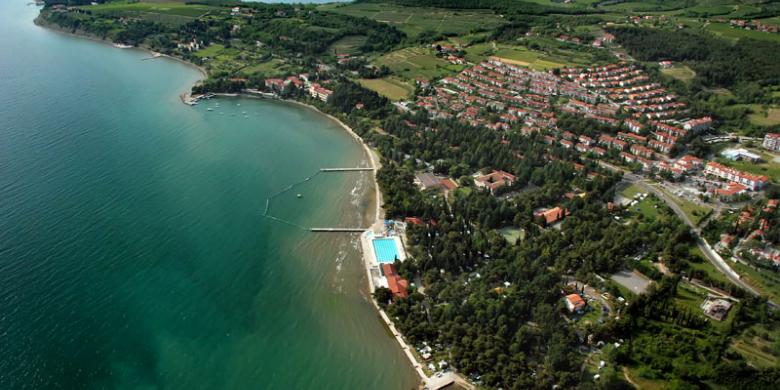
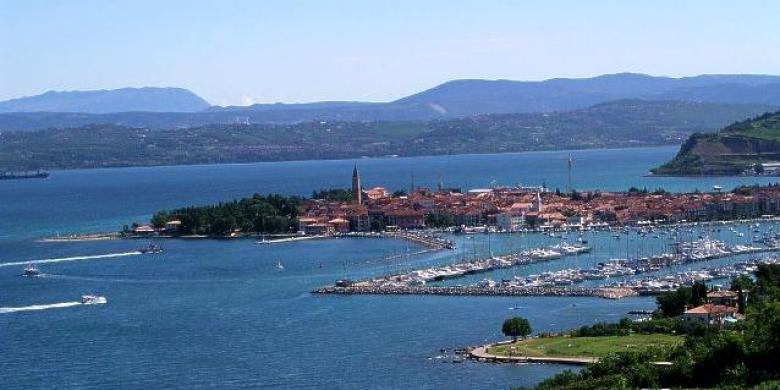
Piran is an old medieval town in the west of Slovenia. It is located on the the tip of the peninsula that is the westernmost part of Slovenia on the coastal Adriatic.

In past centuries, its buildings, typically stone and Mediterranean, were encircled by city walls several times. It is believed that the first walls were built in the 7th century, extended in the 12th century, and achieved their present appearance in the 16th century as protection against Turkish raiders. It is understandable that the town and its surroundings therefore boast many historical monuments and a rich tradition.

Read more: Piran


Triglav National Park

National Parks

Triglav National Park was named after Mt. Triglav (2864 m), which is also a national symbol of Slovenia. Mt. Triglav is situated almost in the middle of the national park. From it the valleys spread out radial, supplying water to two large river systems which have their sources in the Julian Alps: the Soča and the Sava, flowing to the Adriatic and Black Sea, respectively.

Read more: Triglav National Park


Celje

Towns

Celje (Roman, Celeia) is Slovenia's third largest town. Celje is built on the Savinja river and is the economic, cultural and educational center of the Savinja Basin.

Town status achieved in 1451, though its history stretches back to early Iron Age Illyrian settlements and was settled by the Romans in 15 BCE.

Tourist sights of the town include a Minorite monastery founded in 1241 and a palace from the 16th century.


Koper

Towns

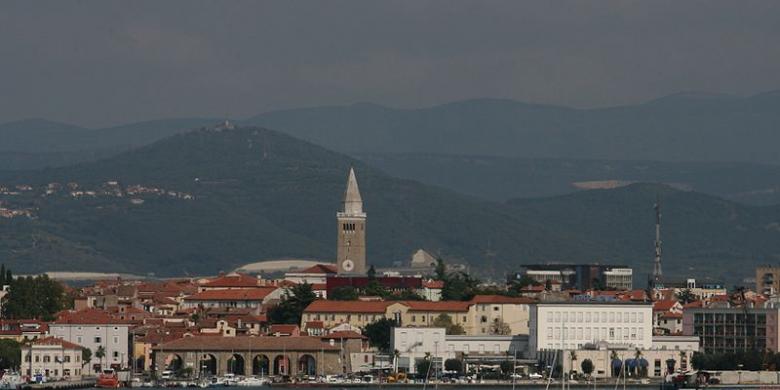
Koper (Slovenian) or Capodistria (Italian) is a coastal town and municipality and the largest commercial port in Slovenia, on the coast of the Adriatic Sea. Koper rose from an ancient settlement built on an island in the southeastern part of the Gulf of Koper in the northern Adriatic.

Read more: Koper


Page 1 of 2

«StartPrev12NextEnd»

Search